Mérida is a Capricorn
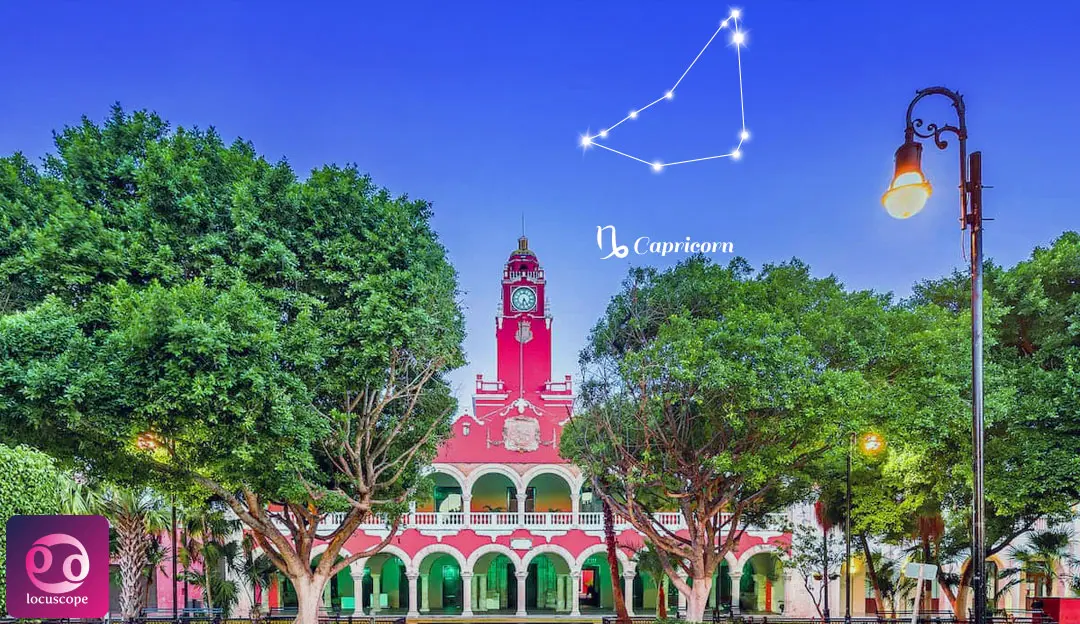
Capricorn
January 6, 1542
This date marks the birthday because it's when the Spanish conquistador Francisco de Montejo the Younger officially founded the city of Mérida on the site of a Maya city, establishing the new capital of Yucatán.
Location
Mérida This Week's Vibe
Discover what energies are influencing this place this week
Personality Profile
Merida is a city built on top of a ghost. When Francisco de Montejo the Younger established the capital on January 6, 1542, he did not find empty land. He found T'ho, a thriving Maya metropolis of pyramids and temples. In a striking act of domination and pragmatism, the conquistadors dismantled the ancient structures and used those very stones to build their cathedral and colonial mansions. If you look closely at the facade of the Cathedral of San Ildefonso today, you can still see the Maya carvings on the stones, silent ancestors staring out from the walls of the conquerors.
This layering of history gives Merida a psychological depth that few cities in the Americas possess. It is the "White City," famous for its limestone architecture and its blinding cleanliness, but it is also the fiercely independent heart of the Yucatan. Isolated from Mexico City by impenetrable jungles and swamps for centuries, Merida developed a culture that looked toward Europe and the Caribbean rather than the Aztec capital. This isolation bred a unique identity-refined, proud, and notably distinct from the rest of the republic.
The culture here is a deliberate preservation of the past. The evenings are for the vaqueria, a celebration where locals dance the jarana in white linen guayaberas and embroidered huipiles, balancing trays of beer bottles on their heads to prove their grace. The cuisine is a complex fusion that predates modern fusion trends; cochinita pibil (pork slow-roasted in pits) speaks of Maya earth ovens, while the Edam cheese used in queso relleno speaks of Dutch trade routes. Merida is safe, conservative, and scorching hot, a city that moves at the slow, regal pace of a horse-drawn calesa.
Tags
The Mystical Soul
Archetype: The Stone Matriarch. The Double Crown. The Keeper of the Old Way.
Born on January 6, Merida is a Capricorn. This is the sign of structure, tradition, and enduring authority. Capricorns are the architects of the zodiac, obsessed with legacy and hierarchy. This fits Merida perfectly-a city that literally built its new order upon the bones of the old one. The founding date is also the Feast of the Epiphany (Three Kings Day), adding a layer of royal solemnity to its character. Merida does not rush; it endures. It values reputation, social standing, and the preservation of its limestone skeleton against the tropical rot.
If Merida were a person: She is a grandmother of terrifying elegance, sitting on a wrought-iron bench on the Paseo de Montejo. She wears a pristine white dress that somehow never gets dusty, despite the heat. She fans herself with a hand-painted abanico, observing the tourists with a look that is polite but utterly impenetrable. She speaks Spanish with a sing-song Mayan cadence and corrects your grammar. She is wealthy, not from new money, but from old henequen plantations that vanished decades ago. She eats habanero peppers without flinching. She goes to mass every Sunday not just for God, but to ensure everyone sees she is still the one in charge. She holds grudges for four hundred years.