Ceuta is a Leo
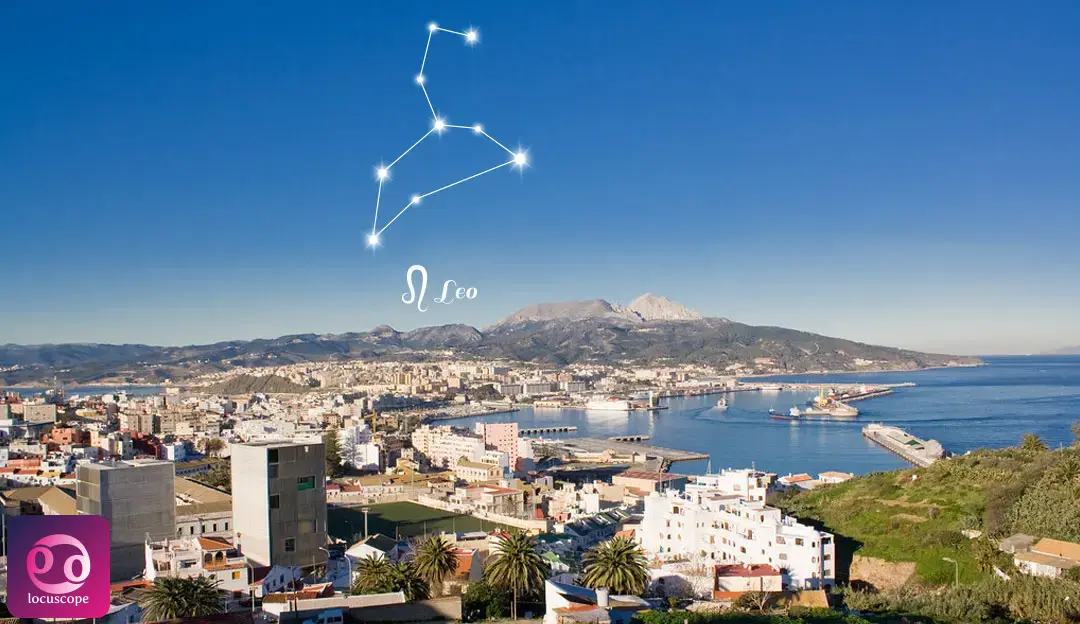
Leo
August 21, 1415
We've designated this date as the birthday because it marks the conquest of the city from the Moors by Portugal, the event that began its history as a European outpost in North Africa before it passed to Spain.
Location
Ceuta This Week's Vibe
Discover what energies are influencing this place this week
Personality Profile
To stand in Ceuta is to stand on a hinge of history, a place defined not by what it is, but by where it is. This is not just a city; it is one of the Pillars of Hercules, the mythical gate between the known world and the terrifying Atlantic. For millennia, its strategic dominance of the Strait of Gibraltar made it a prize for every Mediterranean power-Phoenician, Roman, Vandal, Byzantine, and Arab. It was the jumping-off point for the Umayyad conquest of Spain in 711.
But its modern soul was forged in fire on August 21, 1415. This date marks the beginning of the end of the medieval world. A massive Portuguese armada, led by King John I and his famous son, Prince Henry the Navigator, stormed the city. This was not a minor skirmish; it was the first blow of a new, aggressive European expansion. For Portugal, it was a symbolic and strategic triumph, securing their southern flank and launching their African ambitions.
Ceuta became the first European outpost in North Africa, a fortress-key held against a hostile continent. When the crowns of Portugal and Spain united, Ceuta eventually passed to Spanish control in 1668, a fate it has held ever since.
Today, that identity as a fortress is inescapable. You feel it in the 16th-century Murallas Reales (Royal Walls), whose Foso de San Felipe is a 300-meter-long moat cut through the isthmus, allowing the Mediterranean to flow directly into the Atlantic. It is a city of soldiers, a free port, and a place of intense cultural friction. It is Europe's southern border, a place of high walls and desperate hopes, where Spanish tapas bars operate within earshot of the call to prayer. Its entire personality is one of proud, tense, and vigilant guardianship.
Tags
The Mystical Soul
Archetype: The Fortress of the Sun. The Golden Key. The Contested Prize.
Born on August 21st, Ceuta is a Leo, and it could be nothing else. This isn't the creative, theatrical Leo of Hollywood. This is the pure, primal Leo: the sign of pride, royalty, and territorial command. Its birth was a grand, dramatic gesture, a performance of power by the Portuguese crown. A Leo must be the center of attention, and for 600 years, Ceuta has been a geopolitical fixation, a symbol of sovereignty that Spain holds with a lion's grip.
This city’s history is a case study in Leonine pride. The 1415 conquest wasn't just strategic; it was a crusade, a grand display of royal and religious dominance. It demands to be recognized as royal (its walls are the Murallas Reales) and Spanish, despite being geographically African. This fiery, solar pride is what has allowed it to endure centuries of sieges and political challenges. It doesn't just exist; it proclaims its existence, shining like a sun-baked fortress at the mouth of the world.
If Ceuta were a person, he’d be a man in a crisp, spotless military uniform, standing at a gate. He’s intensely proud and a little theatrical. He'll tell you stories of his glorious past-of Romans, of Portuguese princes, of his unshakeable loyalty-but gets visibly tense if you ask about his relationship with his southern neighbor. He believes he is the guardian of something essential, and this self-importance is his entire personality. He has a royal signet ring he polishes constantly. He is dramatic, loyal to a fault, and absolutely terrified of being ignored.