Kawasaki ist ein Krebs
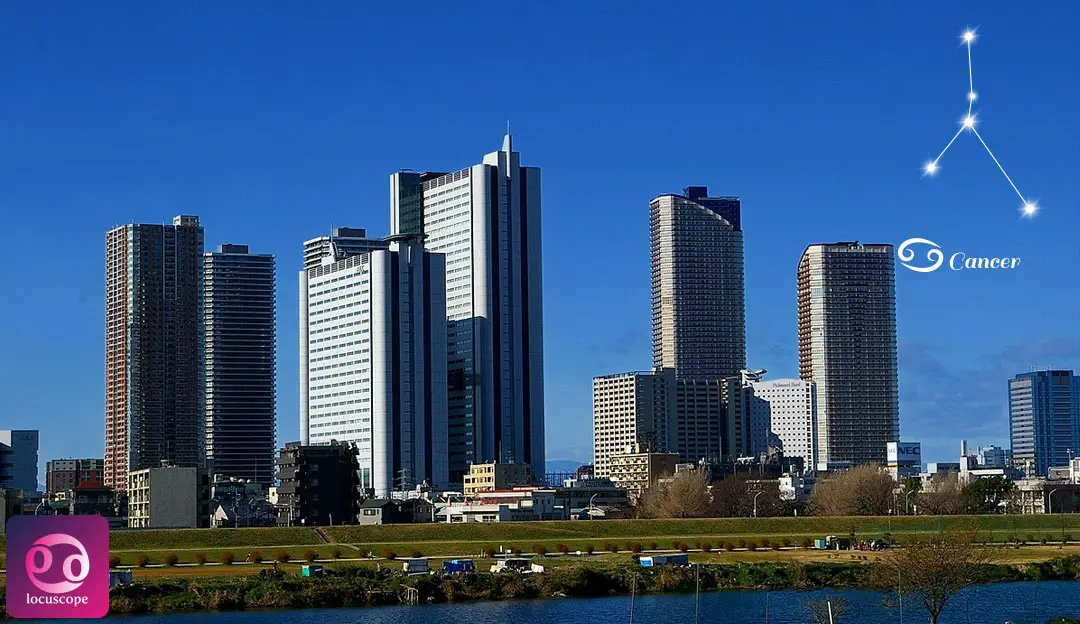
Krebs
July 1, 1924
This date is considered the birthday because it's when Kawasaki was officially incorporated as a city, recognizing its rapid growth as a major industrial hub between Tokyo and Yokohama.
Standort
Kawasaki Der Vibe dieser Woche
Entdecke, welche Energien diesen Ort diese Woche beeinflussen
Frühere Vibes
Entdecken Sie vergangene wöchentliche Energien und kosmische Einflüsse
Persönlichkeitsprofil
Kawasaki suffers from middle-child syndrome, squeezed tightly between the neon grandeur of Tokyo and the cosmopolitan breeze of Yokohama. Yet, ignoring this city is a mistake. Officially incorporated on January 7, 1924, amidst the frantic reconstruction following the Great Kanto Earthquake, Kawasaki was born from the necessity of iron, steel, and sweat. It is the engine room of the Keihin Industrial Zone, a place where the skyline is sketched in smokestacks and factory lights rather than cherry blossoms.
However, beneath the industrial grime lies a fervent spiritual pulse. Long before the blast furnaces were lit, pilgrims flocked to Kawasaki Daishi, one of the most significant Buddhist temples in the Kanto region, seeking protection from evil. This dichotomy defines the city: the sacred and the synthetic existing side by side. It is a place where the air once choked the residents, leading to a fierce environmental evolution that has turned the city into a model of eco-science.
Culturally, Kawasaki is unafraid of the grotesque or the unusual. It hosts the Kanamara Matsuri, a boisterous festival that celebrates fertility with imagery that would make other cities blush. It is also the home of the Fujiko F. Fujio Museum, dedicated to the creator of Doraemon, adding a layer of whimsical blue-cat innocence to a city forged in fire. It is gritty, unpretentious, and undeniably real.
Tags
Die mystische Seele
Archetype: The Steel Mother. The Neon Monk. The Midnight Shift.
Kawasaki is a Cancer-a water sign often associated with home, memory, and a hard protective shell. It fits perfectly. The factories and heavy industry are the crab's shell, ugly and impenetrable to the outsider. But inside? There is a deep, soft reservoir of community and tradition. Cancers are ruled by the Moon, and like the tides, Kawasaki pulls in the weary workforce of Tokyo every night, offering them a place to sleep and pray.
The incorporation date in early 1924 speaks to the Cancerian trait of tenacity and survival. Born in the ashes of a massive regional disaster, its primary instinct was to nurture the nation's recovery through production. It feeds the country. It builds the cars, refines the oil, and generates the power. It takes on the burdens others refuse.
If Kawasaki were a person: She is a mechanic with grease under her fingernails who spends her weekends volunteering at a soup kitchen. She wears blue coveralls by day and a vintage kimono by night. She smokes too much and has a loud, gravelly laugh that echoes in the izakaya, but she is the first one to cry at a wedding. She doesn't care about Michelin stars; she knows a hole-in-the-wall spot that serves the best horumon-yaki (grilled offal) you have ever tasted. She is tough, fiercely defensive of her family, and hides a heart of gold behind a wall of corrugated steel.