Porto es un Cáncer
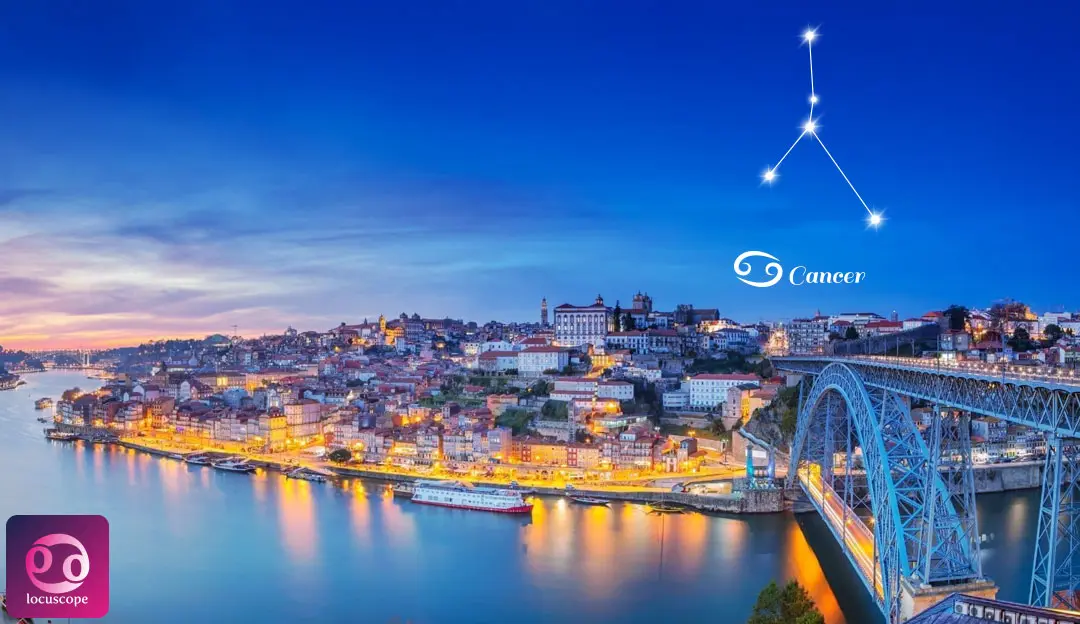
Cáncer
June 28, 1123
This date is considered the birthday because it's when Bishop Hugo granted a charter to the city, a foundational act of self-governance that confirmed the rights of the citizens of Porto.
Ubicación
Porto Vibra de esta Semana
Descubre qué energías están influyendo en este lugar esta semana
Porto rolls into the week with full-on Cancer energy. Big feelings. Bigger nostalgia. The city is acting like it just found an old love letter in a drawer and now needs a moment. Expect moody skies and moody vibes. Cute, though.
Early week, Porto goes into hermit mode. The streets feel slow. The river looks like it’s whispering secrets. This is peak emotional‑support‑city behavior. Porto wants comfort. Porto wants coziness. Porto wants you to drink something warm and pretend you’re in a poetic indie film.
By midweek, the mood flips. Cancer spark hits social mode. Suddenly Porto wants to host the entire zodiac for dinner. Neighborhoods feel louder. Cafés feel chatty. Porto is basically hanging a sign that says “everyone come over, I made snacks.” If you wander around, you will get pulled into a vibe. No resisting.
Weekend energy? Dramatic. Cute dramatic, not exhausting dramatic. Porto gets sentimental again and wants to show off its soft side. Expect romantic walks, clingy sunsets, and a city that keeps asking “do you still love me” with every glowing streetlamp.
Overall vibe: cozy chaos. Emotional tourism at its best. Porto is in its feelings and dragging you in with it. Pack tissues. And a camera. You’ll need both.
Vibras Anteriores
Explora las energías semanales pasadas y las influencias cósmicas.
Perfil de Personalidad
Porto is a city carved from granite and stubbornness. While the postcard image captures the technicolor stack of houses tumbling down to the Douro River, the true character of this city is found in the hard, grey stone that frames them. Born officially on June 28, 1123, when Bishop Hugo granted the charter of comital rights, Porto was not merely founded; it was liberated. This document was a medieval declaration of self-worth, transforming the inhabitants from mere subjects into citizens with rights to trade, govern, and defend.
That moment in 1123 set the tone for the next nine centuries. Porto became a city of merchants and workers rather than kings and courtiers. It is a place that earned the title "Invicta" (The Undefeated) not through royal decree, but by enduring the brutal Siege of Porto during the Liberal Wars of the 19th century. The geography itself demands resilience; the steep, calf-burning hills and the humid Atlantic fog that clings to the Ribeira district have forged a population that is physically hardy and culturally pragmatic.
This is not a city of surface-level pleasantries. The culture here is dense and caloric, best exemplified by the "Francesinha" - a sandwich drowning in beer-and-tomato sauce that could stop a weak heart. It reflects the local ethos: sustenance for hard work, devoid of pretension. The locals call themselves "Tripeiros" (tripe eaters), a badge of honor dating back to the Age of Discovery when, according to legend, they gave all their choice meat to the sailors departing for the unknown, keeping only the offal for themselves.
Modern Porto balances this blue-collar grit with a sudden influx of cosmopolitan attention, yet it refuses to smooth its rough edges. The iron bridges, designed by the schools of Eiffel and Seyrig, cut across the skyline like industrial scars that have become jewelry. It remains a city that looks inward, valuing the sanctity of the home and the dinner table over the public square. It is less concerned with being liked than being respected, standing firm on its granite foundations while the rest of the world rushes by.
Etiquetas
El Alma Mística
Archetype: The Iron Crab. The Melancholy Guardian. The Heavy Heart.
Born on June 28, Porto is a textbook Cancer - a cardinal water sign ruled by the Moon. But do not mistake this for softness. Porto is the embodiment of the crab's shell. It is defensive, insular, and incredibly tough on the outside to protect the sweet, tender life on the inside. The 1123 charter was the ultimate Cancerian act: establishing a secure "home" where the family (the citizens) could be safe from outside threats.
The city's history is a study in this sign's fierce, protective loyalty. Cancers govern the stomach and the concept of nourishment, which explains why this city's identity is inextricably linked to heavy comfort food and the nurturing warmth of fortified wine. The moodiness of the sign is present in the famous "nevoeira" (fog) that rolls off the Atlantic, shrouding the city in a sudden, sullen gloom that vanishes as quickly as it arrived, replaced by brilliant sunshine. It is emotional, nostalgic, and deeply attached to the past.
If Porto were a person: She is a matriarch with calloused hands and a voice deepened by decades of unfiltered cigarettes. She wears dark, heavy wool coats even in the summer, claiming the draft from the river will kill you if you aren't careful. She doesn't hug you when you arrive; she immediately critiques your weight and puts a plate of food in front of you that is large enough to feed a family of four.
She is suspicious of strangers and keeps her money hidden under a floorboard, but if you are part of her inner circle, she would take a bullet for you without blinking. She spends her afternoons looking at old photo albums, crying over people who died fifty years ago, yet she manages a successful import-export business with ruthless efficiency. She hates change. She hates pretension. If you try to impress her with fancy words, she will laugh in your face and pour you a glass of wine that tastes like liquid fire. She is the aunt you are slightly terrified of, but whose house is the only place you ever truly sleep soundly.
The Shadow Side: The danger for Porto lies in the Cancerian tendency to hoard and hold grudges. The city can be prone to a heavy, stagnation-inducing nostalgia, famously known in Portuguese culture as "saudade." It sometimes struggles to let go of old wounds or perceived slights, preferring to dwell in the safety of history rather than risk the vulnerability of the future.