Shenyang es un Acuario
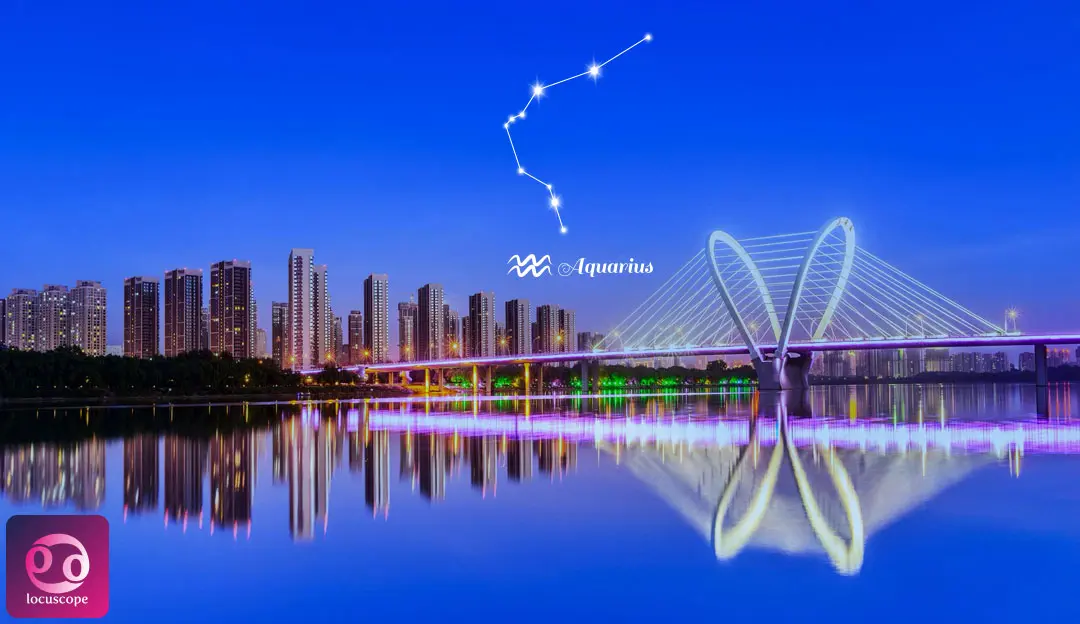
Acuario
February 17, 1625
We've designated this date as the birthday because it's when the Manchu leader Nurhaci captured the city and made it his capital, renaming it Mukden and beginning its era as the power center that would launch the Qing Dynasty.
Ubicación
Shenyang Vibra de esta Semana
Descubre qué energías están influyendo en este lugar esta semana
Vibras Anteriores
Explora las energías semanales pasadas y las influencias cósmicas.
Perfil de Personalidad
Shenyang is a city of imperial ghosts and iron bones. While 1625 marks its "birthday" in our astrological ledger, this date represents a pivot point in history that reverberates still. On February 17, 1625, the Manchu leader Nurhaci moved his capital here, renaming it Mukden. This decision transformed a frontier garrison into the launchpad for the Qing Dynasty, the last imperial house to rule China. This birth date infuses the city with the energy of conquest and structural ambition. It sits on the plains of the Liao River, a strategic hinge between the nomadic north and the agricultural south, a geography that dictated its role as a fortress capital.
The Mukden Palace, standing in the city center, offers a stark contrast to Beijing's Forbidden City. It is smaller, distinctively Manchurian, and built for a ruler who spent as much time in the saddle as on the throne. This rugged royalty defines Shenyang's cultural DNA. The locals are known for their directness and their biting humor, traits necessary to survive the bitter northeastern winters where temperatures plunge well below freezing.
In the 20th century, the imperial city donned a new mask: that of the "Eldest Son of the Republic," becoming a heavy industry powerhouse. The Tiexi District, once a forest of smokestacks, was the forge of the nation. Today, Shenyang is a hybrid. It is a place where the statue of Mao in Zhongshan Square-one of the largest remaining in the country-gazes out over luxury shopping malls and high-speed rail lines. The cuisine reflects this fusion: heavy, hearty stews like the iron pot stew (tie guo dun) meant to sustain workers and warriors alike. Shenyang does not hide its past; it wears its history like a heavy fur coat, essential for survival and undeniable in its presence.
Etiquetas
El Alma Mística
Archetype: The Winter King. The Iron Throne. The Architect of Storms.
Born on February 17, Shenyang is an Aquarius, the sign of the visionary and the revolutionary. This fits perfectly for a city that was the staging ground for a new world order (the Qing Dynasty) that overthrew the established Ming. Aquarius is the sign of the water-bearer, but it is an air sign-fixed, intellectual, and often detached. Shenyang embodies this "fixed air" quality through its biting winter winds and its rigid, grid-like industrial planning. The Aquarian trait of innovation is evident in how the city constantly reinvents its machinery, transitioning from arrows to assembly lines.
If Shenyang were a person: He would be a deposed emperor running a successful steel mill. He stands six-foot-four, imposing and broad-shouldered, wearing a tailored Italian suit beneath a thick, vintage military greatcoat. His eyes are sharp, analyzing every weakness in the room, a habit left over from his ancestors who conquered a nation from horseback. He drinks high-end baijiu from a crystal glass but eats roasted sweet potatoes from a street vendor with equal enjoyment. He is a man of few words, but when he speaks, the room goes silent, and his voice carries the metallic timbre of authority. He is obsessed with legacy, constantly renovating his ancestral home while simultaneously investing in futuristic tech startups. He has a cold, somewhat distant demeanor that people mistake for arrogance, but it is actually a protective shell formed by centuries of enduring harsh winters and political upheavals. He keeps a sword mounted on his office wall-not for decoration, but because he knows how to use it. He is the father figure who demands excellence and offers little praise, yet he would burn the world down to protect his family. He respects strength above all else and has zero patience for incompetence or whining. He walks with a limp from an old industrial accident, but he refuses to use a cane because it would look like weakness.