Ürümqi es un Leo
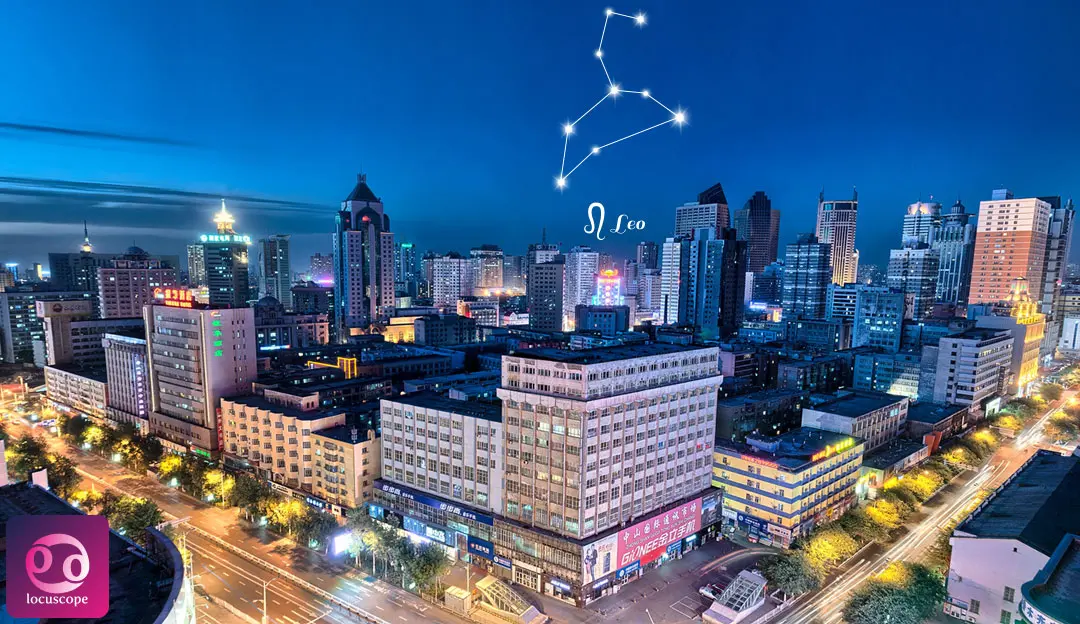
Leo
August 11, 1763
We've chosen this date as the birthday because it marks the official founding and naming of the city of Dihua (the former name of Ürümqi) by the Qianlong Emperor during the Qing Dynasty.
Ubicación
Ürümqi Vibra de esta Semana
Descubre qué energías están influyendo en este lugar esta semana
Vibras Anteriores
Explora las energías semanales pasadas y las influencias cósmicas.
Perfil de Personalidad
To stand in Ürümqi is to stand at the absolute center of the Eurasian continent, the point on Earth farthest from any ocean. This geographical superlative defines the city's isolation and its pivotal role as a crossroads. We anchor the city's profile to August 11, 1763, the day the Qianlong Emperor of the Qing Dynasty officially named the city "Dihua," meaning "to enlighten and civilize." This moment crystallized a settlement that had long been a fluid stopover on the Silk Road into a permanent administrative anchor near the northern foot of the Tianshan Mountains.
The backdrop here is dramatic: the eternal snows of Bogda Peak watch over a city that has always been a mixing bowl of languages, faiths, and faces. The 1763 founding was an attempt to impose order on the wild, wind-swept frontier, bringing the structure of dynastic bureaucracy to the grazing lands of nomads. This tension between the open pasture-the original meaning of "Urumqi" is "beautiful pasture"-and the walled city is the heartbeat of the metropolis.
In the modern era, Urumqi has transformed into a vertical city of steel and glass rising from the steppe, a stark contrast to the horizontal vastness surrounding it. It is a place of survival and adaptation, where the cuisine is heavy with lamb and naan to fuel the body against harsh winters. The culture is a rugged tapestry woven from the necessity of trade; this is where East meets West not in a handshake, but in a marketplace.
Etiquetas
El Alma Mística
Archetype: The Golden Lion of the Steppe. The Distant Peak. The Continental Heart.
Born in the height of summer, Urumqi is a Leo. This is fitting for a city that endures long, intense sunlight and commands the attention of a vast, empty region. Leos are ruled by the Sun, and in the arid heart of the continent, the sun is the undisputed king. The 1763 naming represents the Leo desire for royalty, title, and recognition. It is a sign of fixed fire-stubborn, radiant, and impossible to ignore.
The history of the city reflects this fixed quality; despite political shifts and name changes, it remains the unavoidable center of gravity for the region. The shadow side of this Leo energy is pride and a tendency toward dramatic extremes-the weather swings violently, mirroring the fiery temperament of the sign.
If Urumqi were a person: He would be a rugged trader wearing a heavy fur coat over a designer suit. He has a booming voice that carries over the wind, and he takes up up a lot of space. He is fiercely hospitable, the kind of guy who forces you to eat third and fourth helpings of pilaf while recounting stories of crossing deserts on horseback. He is intimidating at first glance-weather-beaten and stern-but possesses a warmth that is overwhelming once you are inside his tent. He is lonely, perhaps, being so far from the sea, but he wears his isolation like a crown.