Coimbra es un Piscis
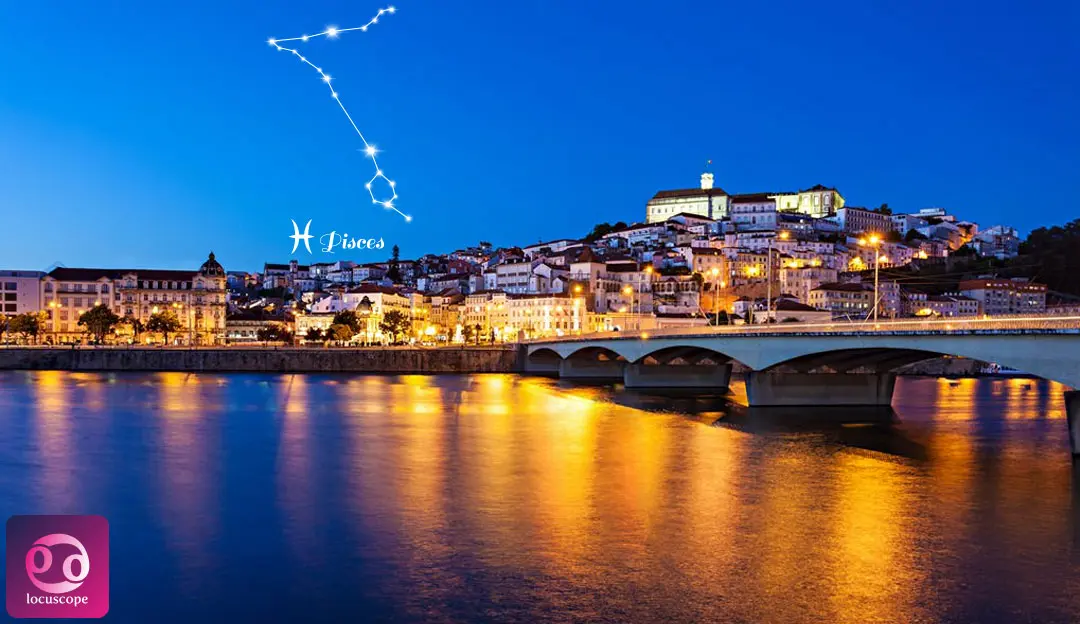
Piscis
March 9, 1290
We've selected this date as the birthday because it marks the founding of the University of Coimbra by King Dinis, a monumental event that has defined the city's identity as the intellectual capital of the Portuguese-speaking world.
Ubicación
Coimbra Vibra de esta Semana
Descubre qué energías están influyendo en este lugar esta semana
Vibras Anteriores
Explora las energías semanales pasadas y las influencias cósmicas.
Perfil de Personalidad
To understand Coimbra, you must first listen. You will hear the haunting, intellectual melancholy of its unique Fado de Coimbra-sung not by grizzled port workers, but by male university students in their traditional black capes (traje académico). This city is, and has always been, a city of the mind. Its birth date of March 9th, 1290, isn't a battle or a royal wedding; it is the Studium Generale, the founding of its university by King Dinis. This single act defined its destiny, making it the intellectual heart of the entire Portuguese-speaking world for centuries.
Perched on a hill overlooking the Mondego River, the city is physically divided between the Alta (uptown), the historic home of the university and the clergy, and the Baixa (downtown), the center of commerce and worldly life. This duality-mind and body, sacred and profane-is its central tension. Its history is the history of Portugal's ideas, its library (the Biblioteca Joanina) a breathtaking baroque temple to knowledge.
Life here is governed by the academic calendar, culminating in the boisterous, emotional Queima das Fitas ("Burning of the Ribbons"), where students celebrate the end of their studies. This is not a city of industry; it is a city of poets, presidents, and scientists. It is where Portugal comes to think, to dream, and to remember.
Etiquetas
Explorar dentro de Coimbra
Descubre lugares dentro de Coimbra y sus perfiles astrológicos
El Alma Mística
Archetype: The Eternal Student. The Keeper of Memories. The Black-Caped Poet.
Born on March 9th, Coimbra is a perfect Pisces. It is the old soul of the zodiac, the sign of dreams, wisdom, and the collective unconscious. Its 1290 founding cemented its Piscean destiny: to be a place of higher learning, creative expression (Fado), and deep, watery emotion (saudade). The university is a Piscean institution, a boundless ocean of knowledge and imagination.
Historical Proof: The city’s entire culture proves its sign. The Fado de Coimbra is pure Pisces-melancholic, romantic, and deeply soulful. The tradition of the Repúblicas (autonomous student houses) speaks to the Piscean desire for communal living and utopian ideals. Even the city's central superstition, that its "patron," Queen Isabel, turned bread into roses, is a story of Piscean magic and compassion.
If Coimbra were a person: He is the eternal scholar, forever 22 years old in his soul, even when he’s 70. He wears a slightly tattered black cape, not for effect, but because he forgot to take it off. He’ll break your heart with a line of poetry he scribbled on a napkin, then forget your name because he was busy contemplating a 13th-century manuscript. He is brilliant, romantic, perpetually melancholic, and smells faintly of old books and rainwater. He lives entirely in his head and his heart, and the "real world" is just a minor inconvenience he tolerates between chapters.