Groningen es un Leo
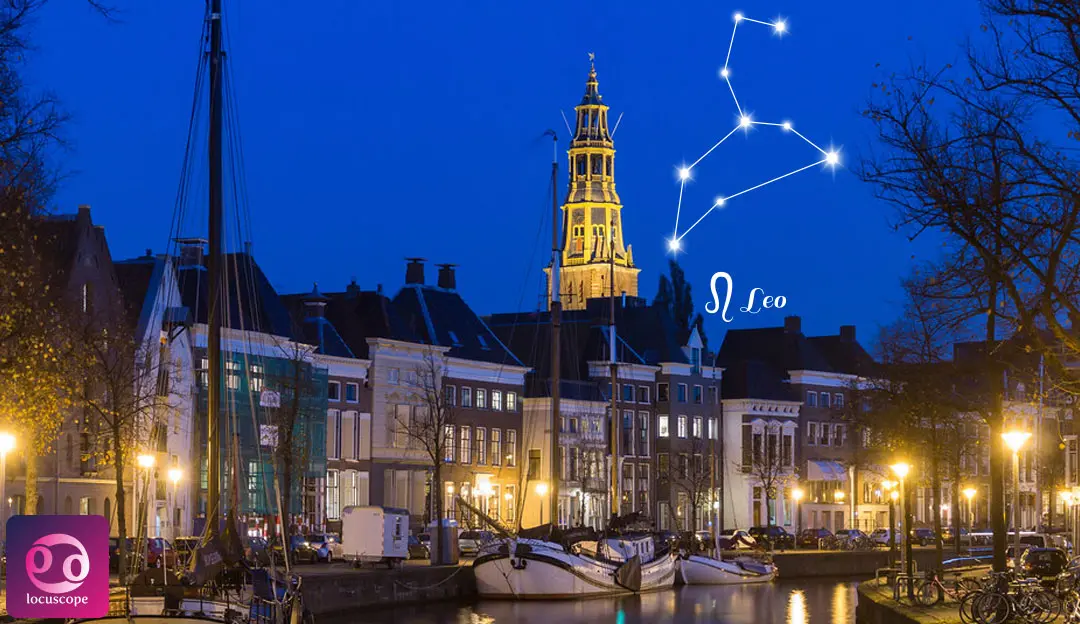
Leo
July 23, 1594
This date is recognized as the birthday because it marks the Treaty of Reduction, when the city of Groningen finally joined the Dutch Republic, formally uniting the city and its surrounding lands (Ommelanden) into a single province.
Ubicación
Groningen Vibra de esta Semana
Descubre qué energías están influyendo en este lugar esta semana
Vibras Anteriores
Explora las energías semanales pasadas y las influencias cósmicas.
Perfil de Personalidad
To understand Groningen, you must first understand the Ommelanden-the surrounding lands. For centuries, this northernmost corner of the Netherlands was defined by a fierce, intractable rivalry between the arrogant, fortified city of Groningen and the proud, free-holding farmers of its rural heartland. This wasn't just a political spat; it was a cultural civil war. The city, a powerful member of the Hanseatic League, looked outward to the sea. The Ommelanden looked inward, distrustful of the city's ambition.
This land is stark. It is flat, wind-scoured earth reclaimed from the sea, sitting atop what would later be discovered as Europe's largest natural gas field-a modern bounty that has become a seismic curse, rattling the foundations of ancient farmhouses. This is a place of stug persistence. The local dialect, Gronings, sounds more like a Scandinavian language than the soft Dutch of the south. Its people are famously characterized as stubborn, reserved, and unyieldingly direct.
The birth date of 23.07.1594 is not a celebration of independence, but of submission. The "Reduction of Groningen" was the moment the besieged city finally fell to the forces of the Dutch Republic and was forced to make peace with the Ommelanden it had long dominated. This date marks the end of a war and the beginning of a reluctant partnership. The province was born from an arranged marriage, a forced treaty that stitched two rivals together. This foundational tension-city versus country, pride versus necessity-still defines its character. It remains famously "apart" from the Randstad (the urban western Netherlands), a self-reliant bastion that views the Hague with skepticism.
Etiquetas
El Alma Mística
Archetype: The Reluctant Union. The Stubborn Heart. The Northern Bastion.
Born on 23.07.1594, Groningen is a Cancer-Leo Cusp entity, and it shows. This is the Cusp of Oscillation, caught between Cancer's defensive, home-focused nature and Leo's proud, dramatic, and immovable pride. The birth date itself, the "Reduction," is a perfect cosmic drama: the proud Leo city, besieged and surrounded, finally capitulating to the domestic, security-focused Cancerian need to belong to the new Republic and make peace with its own Ommelanden (family).
This Cusp energy explains everything.
Cancerian Shell: Groningen is famously insular. Its people are seen as reserved, clannish, and slow to trust outsiders. This is the Cancerian crab, protecting its soft interior.
Leo's Roar: But why are they like this? Because of Leo's pride. They are stug (stubborn) not just because they're defensive, but because they believe, with fiery Leonine conviction, that their way is better.
Historical Proof: The province’s entire history is this push-and-pull. The centuries-long war between the city (Leo) and the countryside (Cancer) was a battle for dominance. In the 20th century, the discovery of the gas field was a source of immense pride and wealth (Leo), but the earthquakes and the feeling of being "robbed" by the national government (Cancerian betrayal) have become its modern identity.
If Groningen were a person, he'd be the oldest farmer at the end of the bar, nursing a Gulpener beer. He doesn't talk much, but when he does, it's a blunt statement of fact, and he's always right. He owns the bar, the building it's in, and the land beneath it, but he'd never mention it. He complains bitterly about the central government "stealing his gas money" while secretly being immensely proud of the University his taxes support. He wears practical, warm clothes, but one of them is an ancient, impeccably tailored wool jacket that hints at old Hanseatic wealth. He doesn't suffer fools, he distrusts "fast talkers" from Amsterdam, and if you earn his loyalty-which might take ten years-he will defend you to the death.