Iwate es un Sagitario
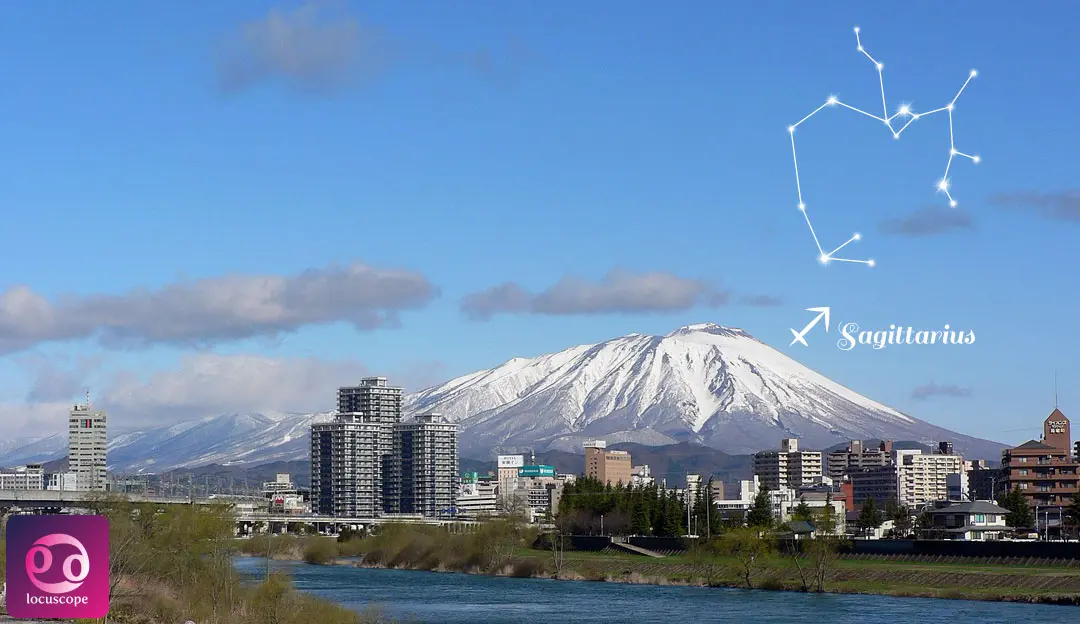
Sagitario
December 14, 1124
We've designated this date as the birthday because it marks the completion of the Konjikidō Golden Hall at Chūson-ji temple, a spectacular cultural treasure that represents the golden age of the region.
Ubicación
Iwate Vibra de esta Semana
Descubre qué energías están influyendo en este lugar esta semana
This week, the fire inside Iwate is sparking. The mountains look like they are itching for a challenge. The rivers want speed. The forests want to spill secrets. Iwate wants to run, roam, explore, repeat. Expect bold vibes. Expect spontaneous energy. Expect the kind of confidence that gets you into fun trouble.
Midweek brings a blast of restless charm. Iwate might flirt with chaos. Sudden weather shifts. Surprise crowds. A plan that changes three times before lunch. Typical Sagittarius behavior. But somehow, it all works. Iwate thrives when things are messy but exciting.
By the weekend, the mood softens. Still fiery, but more philosophical. Iwate starts thinking big. Dreaming bigger. Throwing out fresh ideas like confetti. Visitors might feel that spark too. It is the perfect time for long walks, big questions and ambitious bucket lists.
Watch out, though. Iwate’s honesty peaks. Sagittarius energy makes the place a little too blunt. Trains run on their own timeline. Trails act like they own the place. But you forgive it because the vibe is gold.
Bottom line. Iwate is loud, wild and full of heart. A cosmic road trip in state form. This week, follow its lead. Take the big leap. Try the weird thing. Say yes.
Perfil de Personalidad
Iwate is a land of quiet defiance. As Japan’s second-largest prefecture, it is defined by a fierce, beautiful, and often harsh geography. To the east, the rugged Sanriku Coast faces the Pacific, its fjord-like inlets bearing the memory of repeated tsunamis. To the west, the Ōu Mountains wall it off, guaranteeing deep snows and a palpable sense of isolation. This is not a place that bends easily to outside influence; it breeds a spirit of profound resilience and self-reliance.
Historically, this was the northern frontier, the last stronghold of the indigenous Emishi people who resisted imperial rule for centuries. This spirit of independence never left. We mark Iwate’s birth chart for December 14, 1124, the completion date of the Konjikidō, or Golden Hall, at Chūson-ji temple. This moment was not a political founding but a cultural declaration of independence.
While Kyoto’s courtly culture was descending into decadence, the Northern Fujiwara clan, ruling their semi-autonomous domain from Hiraizumi, built a "Pure Land" paradise on earth. The Golden Hall-a small temple covered entirely in gold leaf, mother-of-pearl, and lacquerwork-was an audacious statement of peace, piety, and wealth. It was a defiant, shining beacon in the remote north.
This tension between raw nature and exquisite artistry is Iwate’s soul. It is the land of Nambu Tekki (cast iron kettleware), a craft that tames fire and metal into objects of subtle, enduring beauty. It is the home of the poet Kenji Miyazawa, whose fantastical stories wrestled with the mystical connection between the stars, the land, and the hard-bitten farmers who worked it. Today, Iwate is still defined by this character: enduring, substantive, and deeply connected to its own stark beauty, rebuilding its coast with the same quiet determination that forged its Golden Hall a millennium ago.
Etiquetas
El Alma Mística
Archetype: The Golden Sanctuary. The Enduring North. The Poet's Mountain.
This is a Sagittarius born not from an arrow, but from a prayer. With its birthday marking the completion of its golden masterpiece, Iwate embodies the Sagittarian quest for higher meaning and transcendence. Sagittarius is the philosopher, the truth-seeker, the one who builds grand visions. Iwate didn't just have a philosophy; it physically built it-a golden Pure Land paradise in the rugged wilderness. This was a classic Sagittarian grand gesture, an optimistic beacon of peace in a war-torn era.
This sign’s legendary resilience is proven by history. The Northern Fujiwara’s "golden age" was eventually crushed by the armies of the south, but the Golden Hall itself survived. Centuries later, the 2011 tsunami devastated its coastline, but the interior culture, the soul of the place, endures. It always does.
If Iwate were a person, they'd be the old artisan in a simple work-coat, hands stained with iron and lacquer, who everyone assumes is poor. Then you visit their house and find a hidden room containing a priceless collection of abstract art. They speak slowly, quoting ancient poetry as if it’s the weather report. They don't care about trends and find Tokyo exhausting. They believe in ghosts, the power of the land, and the virtue of making one perfect thing, even if it takes a lifetime. They've seen unbelievable hardship but will only talk about the beauty of the frost on the trees this morning.