Peloponnese es un Aries
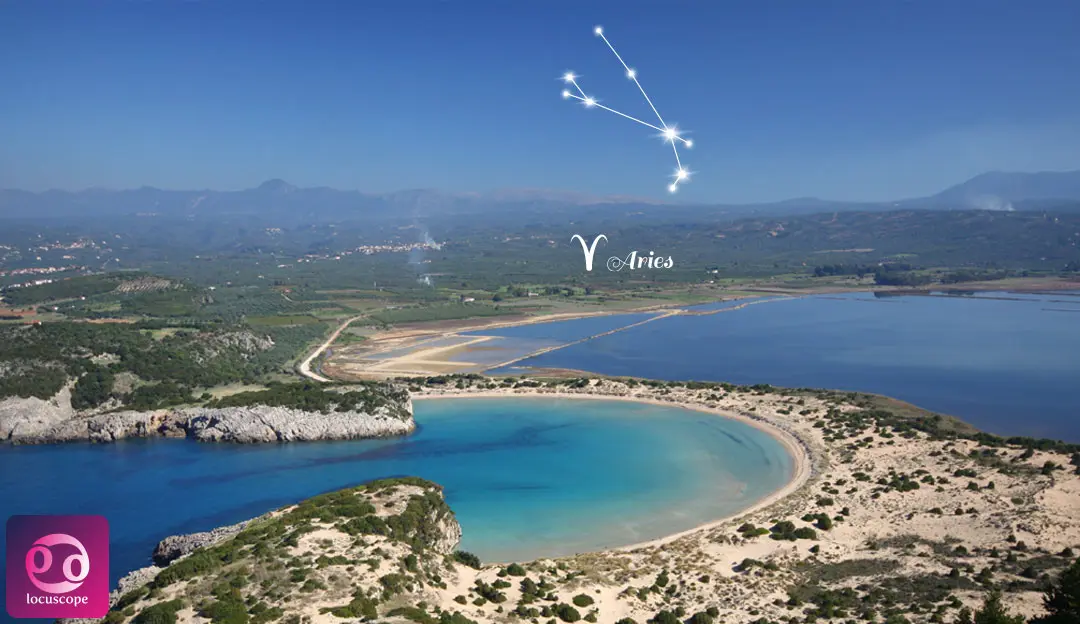
Aries
March 23, 1821
We accept this date as the birthday because it marks the capture of the city of Kalamata, one of the very first major acts of the Greek War of Independence, which began in and was defined by the Peloponnese region.
Ubicación
Peloponnese Vibra de esta Semana
Descubre qué energías están influyendo en este lugar esta semana
Perfil de Personalidad
Though we mark March 23, 1821, this land carries more than four millennia of civilization. The Peloponnese is not just a place; it is a memory of bronze-clad kings and iron-willed hoplites. It is a rugged, mountainous fortress, a peninsula that almost seems to be an island, connected to the mainland by a thread. This geography is its character: the towering Taygetus mountains didn't just shelter the Spartans; they forged them. This is the land of Agamemnon's golden-masked ambition in Mycenae, the brutal, disciplined laconicism of Sparta, and the sacred truce of the first Olympic Games.
This land endures. It absorbed the Romans, became the heart of the Byzantine Despotate of the Morea in Mystras, and bristled with Frankish castles. It was the last bastion of Hellenism to fall to the Ottomans and the first to rise again. The region of Mani, with its stone towers and blood-feud clans, famously never fully submitted to anyone.
So when the call for revolution came, it was here, in this ancient, unyielding heartland, that the flame truly caught. The birth date we mark, March 23, 1821, is the day the city of Kalamata was captured. It was one of the first major, symbolic victories of the Greek War of Independence, led by figures like Petrobey Mavromichalis, a descendant of this Spartan-Maniot spirit. This wasn't the start of something new; it was the re-awakening of something impossibly old. Today, the Peloponnese remains this raw, authentic soul. It's a land of bitter oranges, potent olive oil, and a people who carry the weight and pride of history not as a burden, but as a weapon.
Etiquetas
El Alma Mística
Archetype: The Primal Warrior. The Unconquered Soul. The Keeper of the Flame.
This is Aries. Born on March 23rd, at the fiery, impulsive dawn of the astrological new year, the Peloponnese is the first sign. Ruled by Mars, the god of war, this is the ram, the spark, the defiant roar of "I am." Could the cradle of Sparta be anything else?
The historical proof is overwhelming. The Peloponnese doesn't wait for permission. It doesn't negotiate. It acts. The capture of Kalamata was a pure Aries impulse: see the target, take the target, and let the world react. It is a spirit of glorious, stubborn, and often self-destructive courage. Its shadow is the Arien inability to compromise; the revolutionary heroes famously turned on each other in vicious infighting once the initial enemy was routed.
If the Peloponnese were a person: He's the grandfather who sits in the corner, cleaning a rifle he doesn't need. He hasn't paid taxes since 1940 and thinks all politicians are thieves. He speaks in grunts, but those grunts carry the weight of 3,000 years of war. He'll share his last piece of bread with you, but if you cross him, he'll burn your house down and salt the earth. He is terrifying, fiercely loyal, and the person you want on your side when the world ends.