Yucatán es un Capricornio
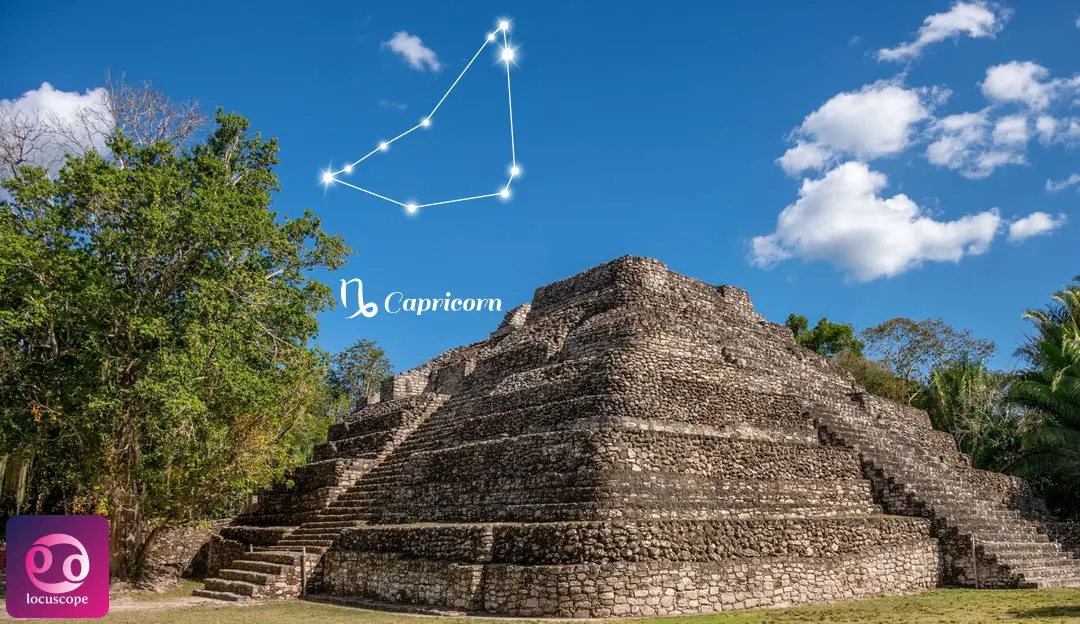
Capricornio
January 6, 1542
We've designated this date as the birthday because it marks the official founding of the city of Mérida by Francisco de Montejo the Younger, establishing the Spanish capital that would govern the entire Yucatán Peninsula.
Ubicación
Yucatán Vibra de esta Semana
Descubre qué energías están influyendo en este lugar esta semana
Perfil de Personalidad
Though we mark the Spanish founding of its capital, Mérida, on January 6, 1542, this land carries millennia of civilization. The Yucatán Peninsula is not a new place. It is an ancient, mystical, and resilient Maya heartland. The Spanish didn't build on a blank slate; they built from the ruins of one.
The capital, Mérida, was founded by Francisco de Montejo the Younger upon the Maya city of T'hó. The Spanish, marveling at the ancient structures, named it after the Roman ruins in Mérida, Spain. This act of naming is the key: it was an imposition of a new, European order on a land that already had its own deep, cosmic memory. The grand colonial cathedral on the main plaza? It was built using the sacred stones of the Maya temples it replaced. This tension-the rigid Spanish grid sitting atop a porous, limestone land of sacred cenotes (sinkholes) and hidden temples-is the soul of Yucatán.
For centuries, Yucatán was isolated, connecting more with Havana and New Orleans by sea than with Mexico City by land. This isolation bred a unique character: proud, formal, and deeply traditional. It became wealthy from henequén, the "green gold" (sisal) that created a powerful, Euro-centric aristocracy, earning Mérida the nickname "The White City."
But the Maya spirit was never vanquished. It remained in the language, in the cochinita pibil cooked in an earthen pib (oven), and in the belief that the cenotes are gateways to the underworld, Xibalba. Modern Yucatán is this duality: a place of mannered, colonial elegance that lives side-by-side with a profound, unshakeable, and ancient mysticism.
Etiquetas
Explorar dentro de Yucatán
Descubre lugares dentro de Yucatán y sus perfiles astrológicos
El Alma Mística
Archetype: The New Structure. The Ancient Foundation. The Hidden Underworld.
What an utterly perfect birthday. January 6 makes Yucatán a Capricorn, the sign of structure, government, hierarchy, and the past. The founding of Mérida was a textbook Capricorn act: a systematic, ambitious project to establish a new seat of government.
Capricorn is the builder, the sign that uses the past to create new, enduring structures. And what did the Spanish do? They literally used the stones of the old Maya temples to build their new Capricornian capital-the cathedral, the government palaces. This is history as the ultimate upcycling project. The city's reputation as "The White City," with its rigid social hierarchy and "old money" families, screams Capricorn status-consciousness.
But Capricorn is also an earth sign, ruled by Saturn (time), and it cannot escape the past. The shadow of this place is that rigid structure built on top of a living, breathing, and much older Maya mystery. The earth itself is limestone, a boneyard of ancient sea life, which (like Capricorn) is the very structure of the past.
If Yucatán were a person, she is the formidable family matriarch who lives in a perfectly preserved colonial mansion. She insists on white linen tablecloths, speaks in a formal, sing-song accent, and knows the genealogy of every family in town. She is all order, tradition, and hierarchy (Capricorn) on the surface. But look closer: her house is built on a Maya foundation. She wears a priceless, ancient jade necklace under her high-collared blouse. And after serving you the most traditional relleno negro, she’ll tell you a chillingly practical story about the Aluxes (forest sprites) as if they were just neighborhood gossip. She is all business, but her soul is connected to the cenotes-deep, dark, and full of ancient secrets.