Espírito Santo è un Gemelli
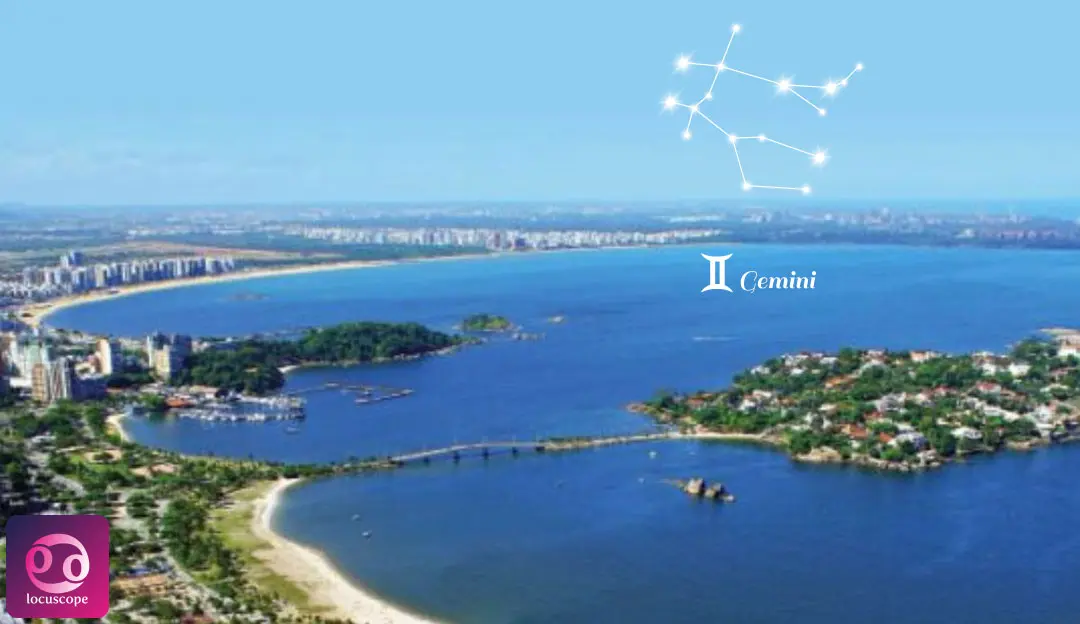
Gemelli
May 23, 1535
We accept this date as the birthday because it marks the arrival of the first Portuguese grantee, Vasco Fernandes Coutinho, who landed on the day of Pentecost (Espírito Santo), giving the captaincy its sacred name.
Posizione
Espírito Santo Vibrazione di Questa Settimana
Scopri quali energie stanno influenzando questo luogo questa settimana
Profilo Personale
Long before the gold rushes or the coffee booms of its neighbors, Espirito Santo was already writing a complex saga of survival. Born on May 23, 1535, with the arrival of the Portuguese donee Vasco Fernandes Coutinho, this land was christened on Pentecost Sunday, bestowing upon it the name of the Holy Spirit. However, the early centuries were anything but peaceful. This was a frontier zone, sandwiched between the colonial capital in Bahia and the riches of Rio de Janeiro, often neglected by the crown and left to fend off fierce indigenous resistance and Dutch corsairs on its own.
This isolation brewed a distinct character. Capixabas (as the locals are known) developed a quiet resilience, turning inward to the land. The geography is dramatic and abrupt; nowhere else in Brazil do the granite mountains rush so eagerly to meet the sea. This proximity creates a culture that is amphibious-equally at home harvesting coffee in the cool, misty highlands as they are pulling oil and gas from the deep offshore basins.
Culturally, Espirito Santo refuses to be a mere corridor between larger states. It asserts its identity through flavor and faith. The moqueca capixaba is a culinary flag planted in the sand-lighter than its Bahian cousin, refusing the heavy palm oil, insisting on the purity of the seafood and the clay pot. The Convent of Penha, perched on a high cliff since the 16th century, stands as a sentinel, watching over a state that has learned that true power doesn't need to shout to be heard.
Tag
L'Anima Mistica
Archetype: The Sacred Twin. The Mountain-Ocean. The Quiet Anchor.
Born under the sign of Gemini, Espirito Santo lives the duality of the Twins. It is the state of the sea and the state of the mountain, often within a few kilometers of each other. Gemini is ruled by Mercury, the messenger and the merchant, fitting for a state that has become one of the most vital logistical hubs in South America, moving iron ore and goods to the world. But unlike the chaotic chatter usually associated with Gemini, this version is more contemplative, perhaps due to the religious weight of its founding date.
The history of being squeezed between two giants (Rio and Bahia) and maintaining a separate identity is pure Gemini adaptability. They can speak the language of the Carioca and the Baiano but remain distinctly Capixaba. The "Holy Spirit" name adds an ethereal layer to the air sign energy-intellectual, breezy, but occasionally hard to pin down.
If Espirito Santo were a person: He is the middle child of a loud, boisterous family who grew up to be the most successful sibling, though no one noticed until he pulled up in a luxury sedan. He is handsome in an understated way, wearing linen shirts and hiking boots. He is a master of conversation, able to talk about high-finance commodities trading and the best temperature to roast coffee beans in the same breath. He doesn't like confrontation; he prefers to navigate around obstacles like water. He is often underestimated, which is exactly how he likes it. While everyone else is fighting for the spotlight, he is quietly buying the theater.