Agra 水瓶座
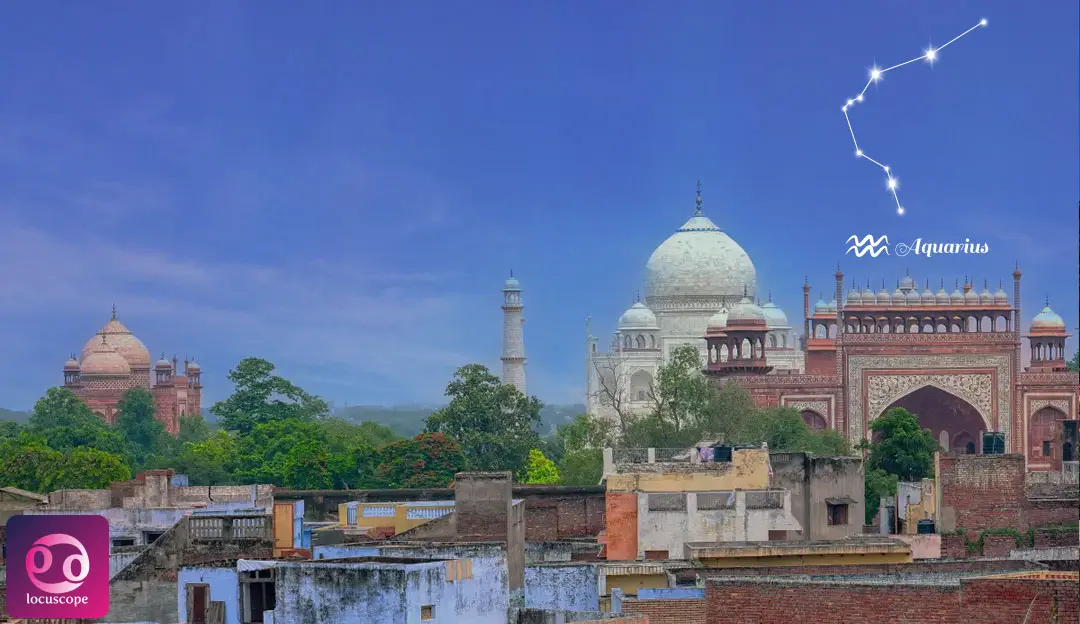
水瓶座
February 16, 1565
We've designated this date as the birthday because it marks the beginning of the construction of the modern Agra Fort by the Mughal emperor Akbar, the event that established Agra as the magnificent capital of the Mughal Empire.
場所
Agra 今週のバイブ
今週、この場所に影響を与えているエネルギーを発見
Agra is serving big Aquarius energy this week. Think genius mode with a little chaos sprinkled on top. The city is restless. Curious. Ready to reinvent itself before your morning chai even cools.
Early week sets the tone. Agra wakes up buzzing like it just had a cosmic double espresso. Streets feel sharper. Ideas move fast. Even the Taj looks like it is posing harder than usual. Tourists? They feel the vibe and start acting like minor celebrities. Classic Aquarius influence.
Midweek brings a surprise twist. Agra gets rebellious. Not messy. Just bold. The city wants to try something new, flip the script, stir the pot. Expect sudden detours. Pop-up fun. Odd encounters that make great story-time later. If a rickshaw driver gives you unexpected life advice, just roll with it.
By the weekend, Agra cools down. Still electric, just more chill. Perfect for a sunset moment by the Yamuna. The air feels softer. Conversations get deeper. Aquarius energy shifts from wild spark to wise thinker. You might catch yourself planning something big. That is Agra rubbing off on you.
Overall vibe this week: social, surprising, slightly eccentric, totally unforgettable. Agra is in full Aquarius flow and pulling everyone along for the ride.
Charge your phone. You will want photos. And the universe is ready to photobomb.
以前のバイブ
過去の週間エネルギーと宇宙の影響を探る
個性プロファイル
Agra is often reduced to a single white mausoleum, but its true birth as the seat of imperial power dates to February 16, 1565. This is when Emperor Akbar, the greatest of the Mughals, ordered the construction of the massive Agra Fort on the banks of the Yamuna River. This red sandstone giant is the skeleton of the city, while the Taj Mahal is merely its jewelry. The fort's foundation marked the transition of the Mughals from wandering conquerors to settled emperors.
Geographically, Agra sits on the plains where the heat can be unforgiving and the dust creates a permanent sepia filter over the horizon. This harsh environment forged a city of stone and strength. For nearly a century following this date, the decisions made within these red walls dictated the fate of the entire Indian subcontinent. It was here that the syncretic culture of the Mughal court flourished, blending Persian refinement with Indian vibrancy.
Today, Agra struggles under the weight of its own history. It is a bustling, gritty commercial hub that happens to host the world's most famous monuments. The modern character is one of hustle-a survivalist instinct honed by centuries of serving emperors and tourists alike. The local industry of marble inlay (Parchin Kari) keeps the artistic lineage alive, with craftsmen tracing the same floral patterns their ancestors cut into the emperor's throne. It is a city of hard edges and soft art, much like the fort itself-impenetrable sandstone on the outside, delicate palaces within.
タグ
神秘的な魂
Archetype: The Stone Titan. The Imperial Dream. The Red Guardian.
Agra falls in the late degrees of Aquarius, representing the visionary builder. Akbar was the ultimate Aquarian ruler-progressive, innovative, and focused on creating a unified structure for diverse peoples. The construction of the Fort wasn't just about defense; it was about creating a new world order.
However, sitting so close to the Pisces cusp, there is a deep undercurrent of romance and tragedy here. The Aquarian logic of the Fort eventually gave way to the Piscean emotional outpouring of the Taj Mahal. Agra lives in this tension: the cold, hard logic of administration (Aquarius) and the dissolving boundaries of overwhelming love and grief (Pisces). It is a city of grand, futuristic visions that are eventually reclaimed by the waters of time.
If Agra were a person: He is a retired general who now spends his days gardening. He has calloused hands that can crush a brick, but he uses them to prune delicate roses. He is stoic, rarely showing emotion, standing tall with a military bearing that makes people step out of his way. He speaks little, but when he does, it is a command, not a suggestion. He wears dusty, practical clothes, but keeps a hidden chest of jewels under his bed that he never looks at. He is fiercely protective of his family but struggles to tell them he loves them. He lives in a house that is too big for him, surrounded by ghosts of his past glory, yet he wakes up every morning to sweep the courtyard, driven by an unbroken sense of duty.