Basque Country 양자리
양자리
April 3, 1476
We've chosen this date as the birthday because it's when Queen Isabella I of Castile swore to uphold the Basque 'fueros' (chartered rights) under the sacred Tree of Gernika, a profound symbol of the region's historic autonomy.
위치
Basque Country 이번 주 바이브
이번 주에 이 장소에 어떤 에너지가 영향을 미치는지 알아보세요
이전 바이브
지난 주간 에너지와 우주적 영향력 탐구하기
성격 프로필
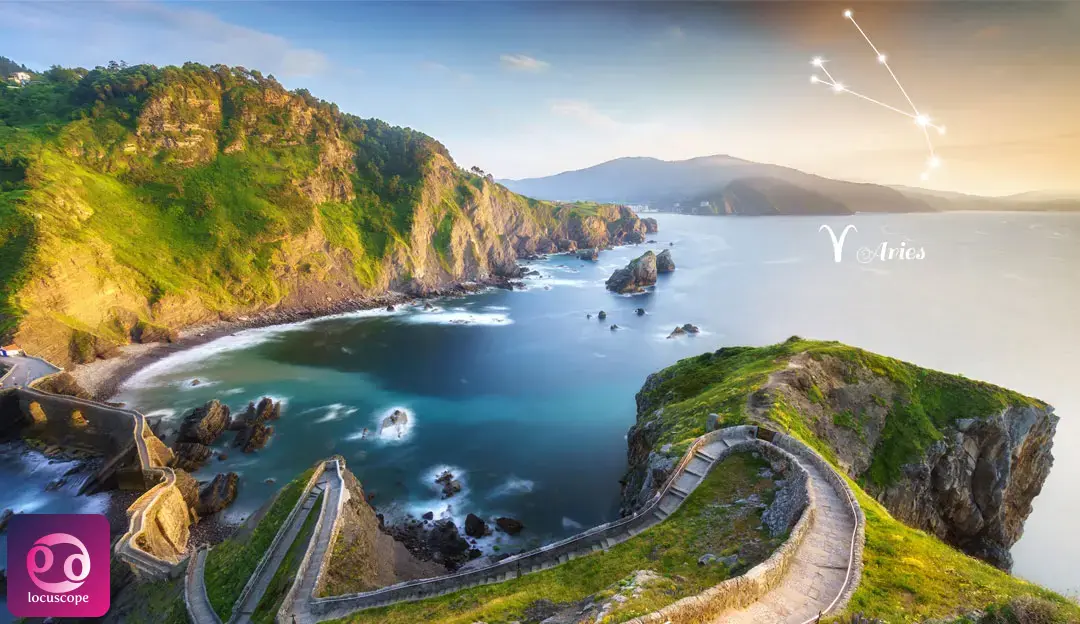
There is a mystery at the heart of the Basque Country. It begins with the language, Euskara, a linguistic island with no known relative, a relic of a pre-Indo-European Europe that survived the arrival of Romans, Celts, and Goths. This is the key. The Basque soul is not one of conquest, but of endurance. Its geography is its fortress: the rugged western Pyrenees crashing into the wild, churning Bay of Biscay. This landscape forged a people who are, above all, resilient, self-contained, and fiercely, almost spiritually, independent.
While other regions were built, the Basque Country persisted. It made contracts, not surrenders. This is the profound significance of the birth date, 03.04.1476. On this day, Queen Isabella I of Castile did not conquer; she negotiated. She traveled to the sacred Tree of Gernika, the ancient oak symbolizing Basque sovereignty, and swore an oath to uphold their fueros-a complex set of ancient, autonomous laws governing everything from taxes to military service. This was not a founding, but a recognition.
This unbending pride has been a dual-edged sword. It fueled the region's industrial might, turning Bilbao into a steel-and-iron powerhouse, and gave rise to its intense, world-class culinary scene, from the secretive txokos (gastronomic societies) to the constellation of Michelin stars in San Sebastián. But this same ferocious desire for separation also fueled the dark, violent decades of the separatist group ETA. In the modern era, the Basque Country has redefined itself once more, most famously with the Guggenheim Bilbao-a futuristic, titanium gamble that proved its spirit of defiant innovation is as strong as its attachment to tradition.
태그
Basque Country 내에서 탐험하기
Basque Country 내의 장소들과 그들의 점성술 프로필을 발견하세요
신비로운 영혼
Archetype: The First-Born. The Unbent Stone. The Keeper of Fire.
Born on April 3rd, the Basque Country is an Aries. It could be nothing else. As the first sign of the zodiac, the fiery, combative, and pioneering Ram, Aries perfectly embodies the Basque spirit. This is the "I AM" sign, and the Basque Country’s defining historical moments are all declarations of "WE ARE."
The historical proof is overwhelming. The fueros are a textbook Aries demand: "I am who I am, and I will live by my own rules, or not at all." The act of Isabella coming to them under the Tree of Gernika is the ultimate Aries power move-the monarch bending the knee to their independence.
This Martian, Arian energy infuses the culture. Look at their native sports: pelota, a blisteringly fast, aggressive game; aizkolaritza, competitive wood-chopping; harri-jasotzea, stone-lifting. This is the raw, competitive, physical fire of Aries. The shadow of this sign is its temper and its "my way or the highway" stubbornness, a trait that found its most tragic expression in ETA. But its positive side is the pioneering spirit that built the Guggenheim, a defiant, head-first Aries leap into the future.
If the Basque Country were a person, he’s the man in the corner of the bar who isn’t speaking your language and doesn't care if you understand. He’s a Michelin-starred chef who could also win a bare-knuckle boxing match. He’s immensely proud and will trace his family tree back 2,000 years. He'll cook you the single greatest meal of your life, but God help you if you ask for a substitution. He has a fiery temper and an even fiercer loyalty. He believes his family is the oldest, his food is the best, and his way is the right way. He’s not asking for your permission; he’s telling you how it is.