Svalbard é um Leão
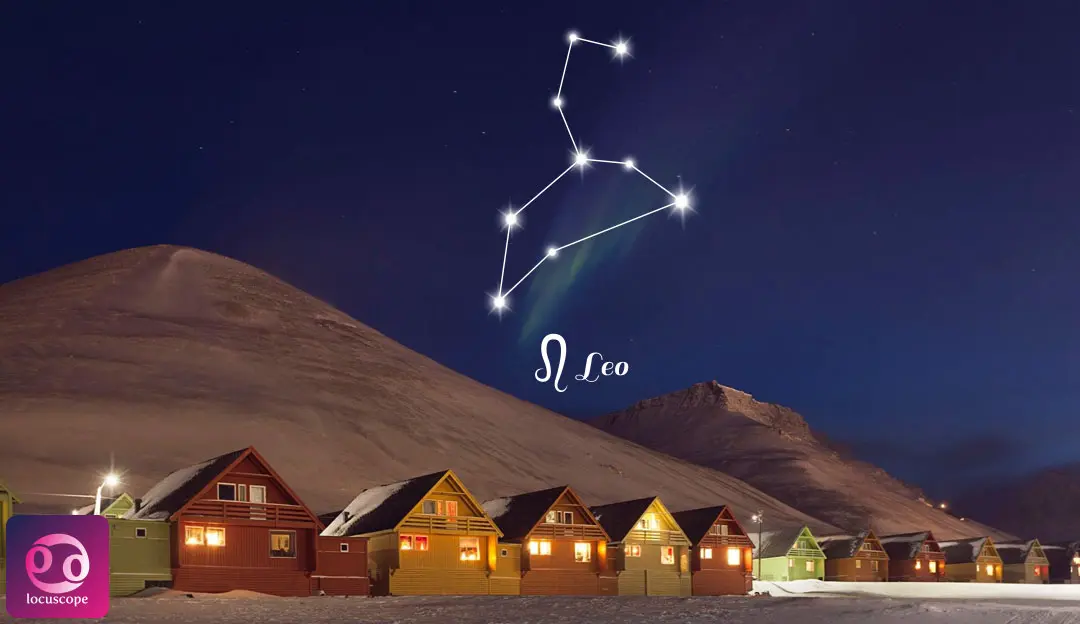
Leão
August 14, 1925
This date is recognized as the birthday because it's when the Svalbard Act came into force following the 1920 Svalbard Treaty, officially establishing Norwegian sovereignty over the Arctic archipelago.
Localização
Svalbard Vibração desta Semana
Descubra quais energias estão influenciando este lugar esta semana
Vibrações Anteriores
Explore as energias semanais passadas e as influências cósmicas
Perfil de Personalidade
Before it was a place of human law, Svalbard was an idea of ice. This is a realm of profound, elemental silence, broken only by the crack of a glacier, the warning roar of a polar bear, or the shatter of ice under a ship's hull. For centuries, this archipelago was a no-man's-land, a stark, frozen prize for the whalers, trappers, and miners who dared exploit its resources. It had geography and resources, but no identity.
Its birth on August 14, 1925 was not one of blood or culture, but of ink. This is the date the Svalbard Act came into force, a direct result of the 1920 Treaty that ended a diplomatic power vacuum. It’s a political creation, a land granted Norwegian sovereignty but simultaneously declared a demilitarized zone and an economic free-for-all, where citizens of all signatory nations can live and work.
This makes Svalbard’s modern character unique. It is a place of profound paradoxes. It is Norwegian, but its main settlements (Longyearbyen and Barentsburg) feel both Scandinavian and strikingly international (historically Russian). It is one of the most remote places on Earth, yet it is a global center for climate change research. Its greatest landmark is not a monument, but a vault: the Global Seed Vault, a subterranean ark buried in the permafrost, holding the future of human agriculture. Svalbard is not a homeland; it is a sentinel.
Tags
A Alma Mística
Archetype: The Frozen Throne. The World's Archive. The Icy Sentinel.
What a cosmic joke: Svalbard, the land of the polar night, is a Leo. Ruled by the Sun, Leos are kings, performers, and dramatic centers of attention. And isn't that exactly what this frozen archipelago has become? It’s a spectacular, ironic Leo. It doesn't command attention with warmth, but with the sheer, regal drama of its landscape. It is the King of the Arctic, a place of dangerous, magnetic beauty.
Its Leo nature is proven by its history. It refused to be just a forgotten block of ice. It became the subject of a major international treaty, forcing the world to look at it. And what is the Global Seed Vault if not the most dramatic, "look at me" Leo gesture of all time? It is a performance of global importance, a regal proclamation that says, "In the end, all of you-your entire civilization-will depend on me. I am the heart, the protector, the final archive." Its sovereignty is a performance, its landscape is a stage, and every scientist and tourist is an audience member paying tribute to its icy majesty.
If Svalbard were a person, she is a sovereign who rules a kingdom of absolute silence. She dresses in archival bespoke fur (ethically sourced, she insists) and technical snow gear that costs more than a car. She doesn't talk much, but when she does, it's a proclamation. She hosts the world's most exclusive, high-stakes "parties"-scientific summits and political tours-where everyone is freezing but pretends not to be, just to be in her presence. She is profoundly territorial (ask the polar bears) but also surprisingly generous, holding the keys to the world's pantry with a dramatic, protective flair. She is a Leo who traded the warm sun for the midnight sun: all the drama, none of the heat.