North Gyeongsang bir Oğlak
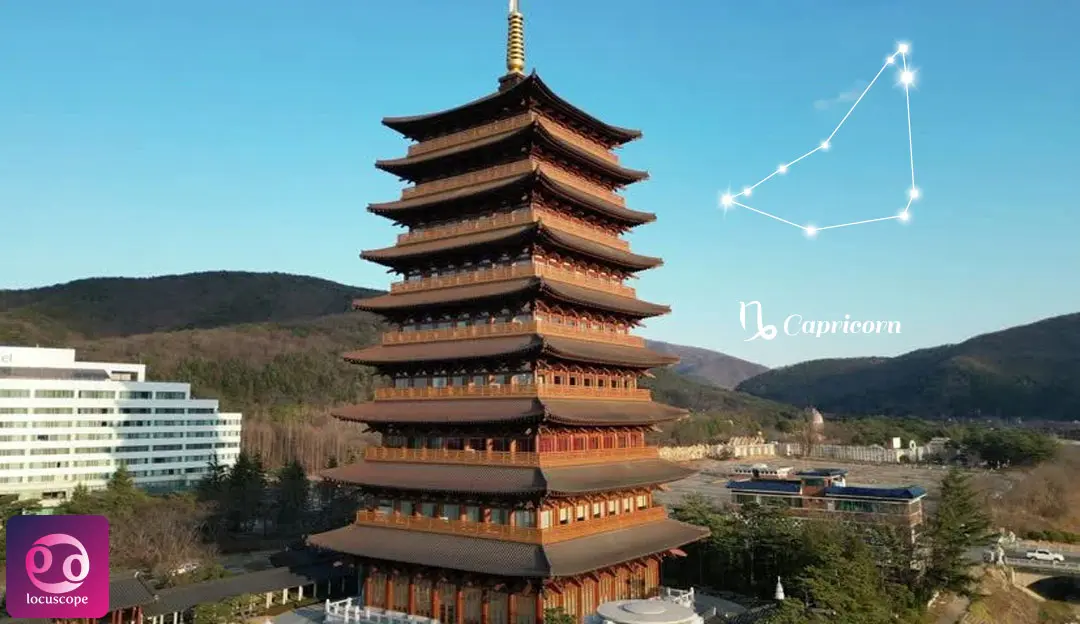
Oğlak
January 9, 0668
This date has been selected as the birthday because it symbolically marks the year the Silla Kingdom, with its capital in this province, successfully unified the Three Kingdoms of Korea, establishing the region as the heart of an ancient unified dynasty.
Konum
North Gyeongsang Bu Haftanın Enerjisi
Bu hafta burayı hangi enerjilerin etkilediğini keşfedin
Önceki Enerjiler
Geçmiş haftaların enerjilerini ve kozmik etkileri keşfedin
Kişilik Profili
Though we mark the 9th of January, 668, as its symbolic birth, this land carries the weight of millennia. This date, marking the Silla Kingdom's unification of the three ancient kingdoms, is not a beginning. It is the climax of a civilization that had already defined itself by its ambition, its artistry, and its unique geography. North Gyeongsang is the ancient heart of Korea, and its capital, Gyeongju, was the "golden city" of Seorabeol, a metropolis spoken of in the same breath as ancient Rome or Constantinople.
Its character was forged in isolation. Protected by the high Taebaek and Sobaek mountains, the Silla Kingdom grew at its own pace, developing a unique, hierarchical, and powerful culture. This was the land of the Hwarang, the "Flower Knights"-an elite corps of aristocratic warriors who were as skilled in poetry and dance as they were with the sword. This blend of militant strength and refined artistry is the province's DNA. Silla's power was absolute, and it left its mark in monuments of breathtaking ambition: the Seokguram Grotto with its serene, monumental Buddha, the mathematically perfect Bulguksa Temple, and the grass-covered tumuli (royal tombs) that roll through Gyeongju like the hills of sleeping giants.
After Silla's decline, the capital moved north, but North Gyeongsang never lost its pride. It transformed, becoming the bedrock of Joseon Dynasty's stern Confucian scholarship in cities like Andong. The Hahoe Folk Village is not a museum; it's a living testament to this aristocratic, scholarly legacy. Today, this old kingdom has a split personality: its inland remains the stoic, traditional grandfather of Korea, while its coast has become an industrial titan. The Pohang steel works (POSCO) and the Gumi electronics hub are the modern forges of the Silla spirit, building the nation's economic bones. This province is the patriarch-it may be old, but it built the house everyone lives in.
Etiketler
North Gyeongsang içinde keşfet
North Gyeongsang içindeki yerleri ve astrolojik profillerini keşfedin
Mistik Ruh
Archetype: The Enduring King. The Keeper of the Crown. The Mountain and the Forge.
Born on a date of unification, North Gyeongsang is a textbook Capricorn. This is the sign of ambition, structure, legacy, and building things that last. Silla's entire story is a Capricorn's life plan: it was patient, used its natural "structures" (mountains) for defense, and was relentlessly ambitious (unification). It didn't just win a war; it built an dynasty. Its creations-the temples, the tombs, the Cheomseongdae observatory-were all built to defy time, a pure Capricorn drive. When its "king" era ended, it seamlessly transitioned into another Capricorn archetype: the stern, Confucian elder (Andong). Its modern industrial might (POSCO steel) is just the 21st-century expression of this sign's need to build the scaffolding of society.
If North Gyeongsang were a person... He is the family patriarch. He built a global corporation from scratch (Gumi, Pohang) but still insists on living in the 500-year-old family home (Andong). He wears an expensive modern suit but is clearly more comfortable in a traditional durumagi. He doesn't follow trends; he sets the standard and expects everyone else to follow. He is impossibly stubborn and believes in rules, hierarchy, and legacy above all else. He'll pay for his grandchildren's education at the best universities in the world but fully expects them to be home to perform the jesa (ancestral rites) without complaint. He never raises his voice, but his disapproval is withering. His love isn't expressed in hugs; it's expressed in providing total stability and ensuring the 'house' (Korea) stands for another thousand years.